Buzz Aldrin, second man to walk on moon, evacuated from South Pole

By

The Associated Press

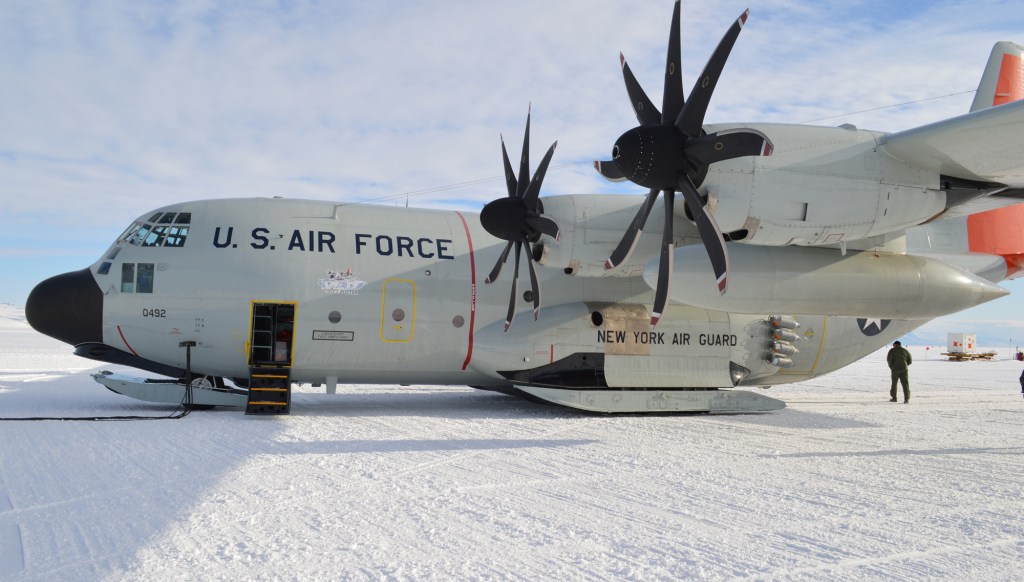
An LC-130 “Skibird” from the New York Air National Guard’s 109th Airlift Wing in Scotia, N.Y., sits on the ice runway near McMurdo Station, Antarctica, Nov. 9, 2015. A total of seven 109th AW LC-130s are deployed this season and about 330 missions planned through the season which ends in February. This is the 28th season that the unit has participated in Operation Deep Freeze, the military component of the U.S. Antarctic Program, which is managed by the National Science Foundation. (U.S. Air National Guard photo by Capt. David S. Price/Released)
Buzz Aldrin was evacuated from the South Pole after becoming ill during an Antarctica tour. The 86-year-old former astronaut tweeted some pictures before he embarked on the tour, and the company running the tour issued a statement saying that Aldrin is safe and in stable condition. He’s reportedly being taken to New Zealand for further treatment. In the statement, the White Desert tour company said, "As a precaution… Mr. Aldrin was evacuated on the first available flight out of the South Pole."

WELLINGTON, New Zealand — Former American astronaut Buzz Aldrin, one of the first men to walk on the moon, has been evacuated by plane from the South Pole for medical reasons, officials said Thursday.

Aldrin, 86, was visiting the South Pole as part of a private tourist group when his health deteriorated, the International Association of Antarctica Tour Operators said on its website.
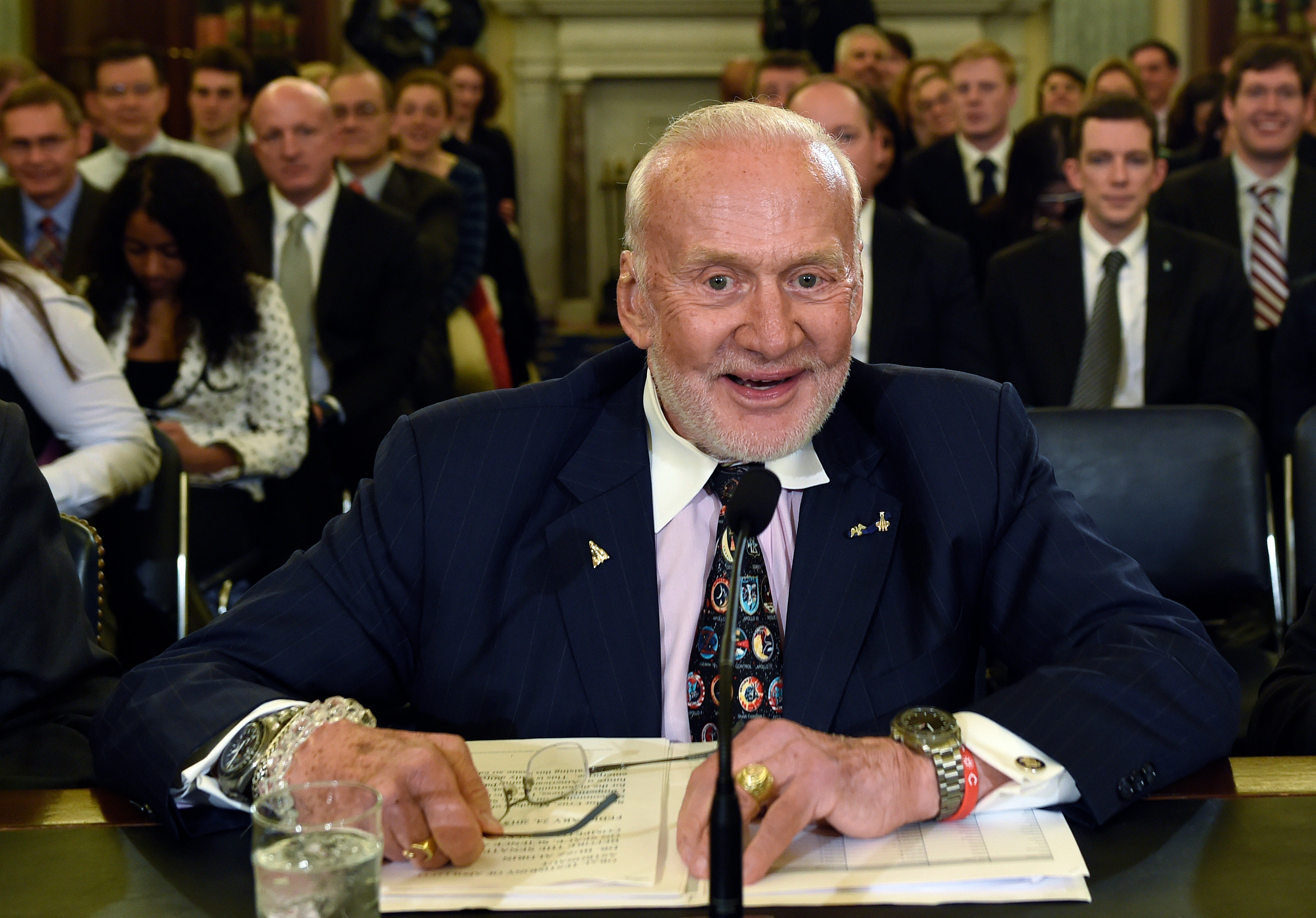
Buzz Aldrin

Photo Credit: Susan Walsh/AP

It said he was taken as a precaution on the first available flight to McMurdo Station, a U.S. research center on the Antarctic coast. It described his condition as stable.

The National Science Foundation, which manages the U.S. Antarctic program, described Aldrin as “ailing” and said he was being flown on a ski-equipped LC-130 cargo plane to McMurdo. From there, he would be flown to New Zealand, it said on its website.

Aldrin became the second man to walk on the moon in 1969 as part of the U.S. Apollo 11 mission.